Bishop Cotton School, Shimla
Overcome Evil with Good
Overcome Evil with Good
Chronicles of Bishop Cotton School
Follow the path through 167 years of excellence, tradition, and transformation. From our visionary foundation in 1859 to becoming one of India's most distinguished boarding schools.
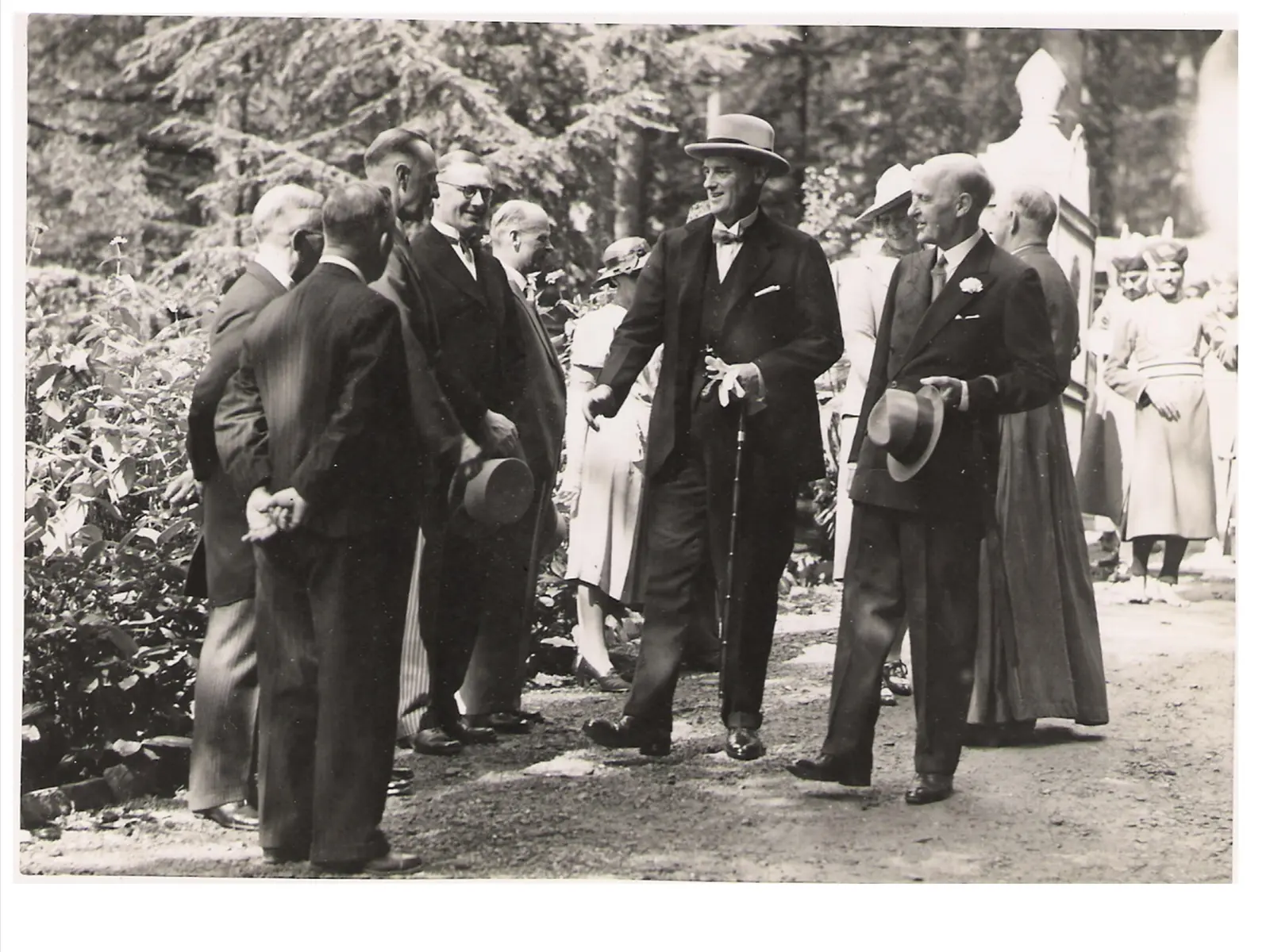
As Bishop of Calcutta, George Edward Lynch Cotton held a foundation service at St. Paul's Cathedral, Kolkata that established the idea and initial fundraising for a public (boarding) school in the hill station of Simla (Shimla). This visionary foundation marked the beginning of an institution that would shape generations of young minds.
As Bishop of Calcutta, George Edward Lynch Cotton held a foundation service at St. Paul's Cathedral, Kolkata that established the idea and initial fundraising for a public (boarding) school in the hill station of Simla (Shimla). This visionary foundation marked the beginning of an institution that would shape generations of young minds.
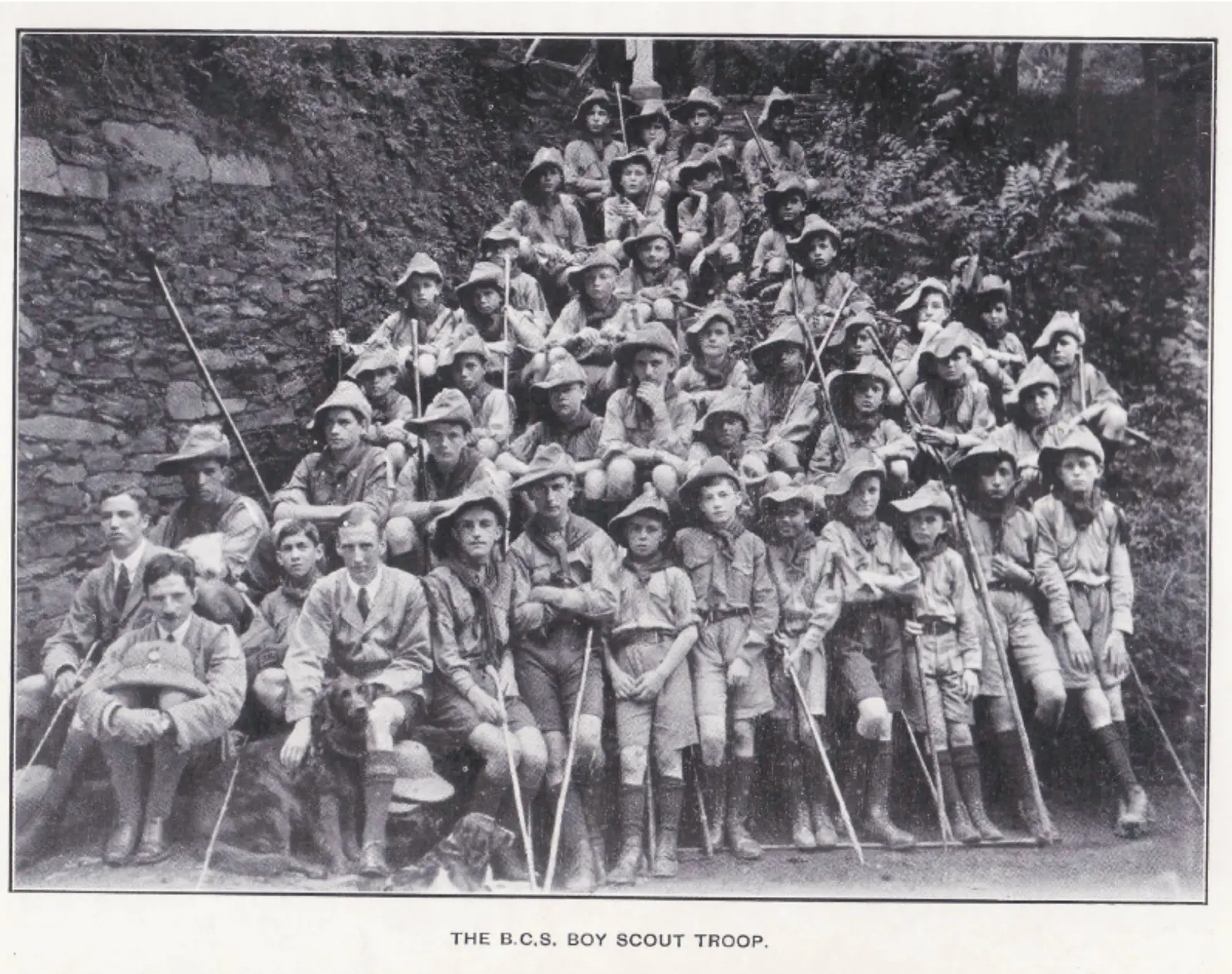
Using three private houses (in what is now Jatog cantonment) purchased with the India Public School Fund, the school opened its doors to pupils on 15 March 1863. The first pupil is recorded as Frederick Naylor, marking the commencement of our proud academic tradition that continues to this day.
Using three private houses (in what is now Jatog cantonment) purchased with the India Public School Fund, the school opened its doors to pupils on 15 March 1863. The first pupil is recorded as Frederick Naylor, marking the commencement of our proud academic tradition that continues to this day.
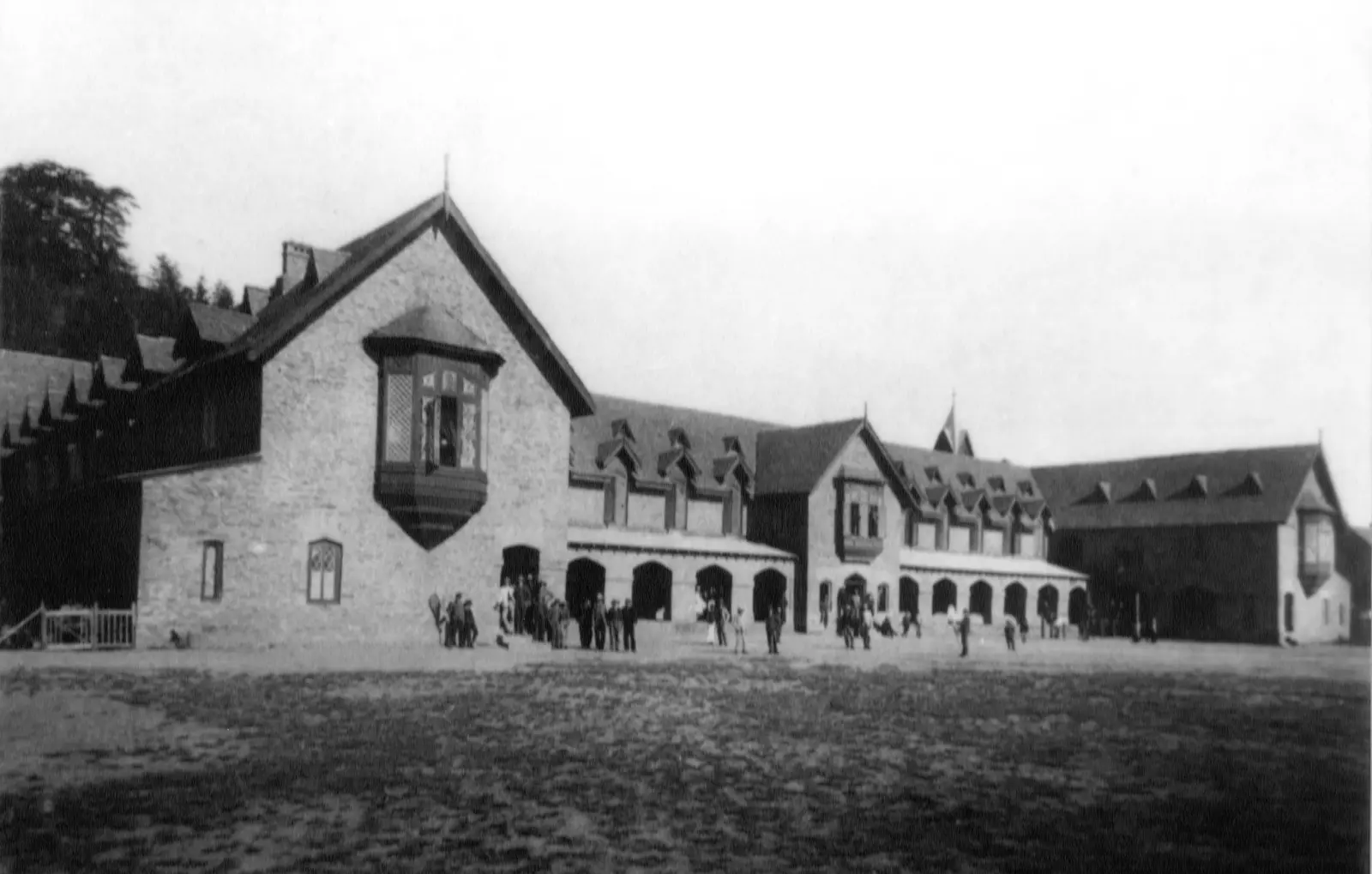
Bishop Cotton inspected sites and approved the Knollswood Spur location. The foundation stone for the new purpose-built school buildings was laid by the Viceroy Sir John Lawrence. The Holy Trinity Chapel and main Gothic-style buildings date from this glorious era of expansion.
Bishop Cotton inspected sites and approved the Knollswood Spur location. The foundation stone for the new purpose-built school buildings was laid by the Viceroy Sir John Lawrence. The Holy Trinity Chapel and main Gothic-style buildings date from this glorious era of expansion.
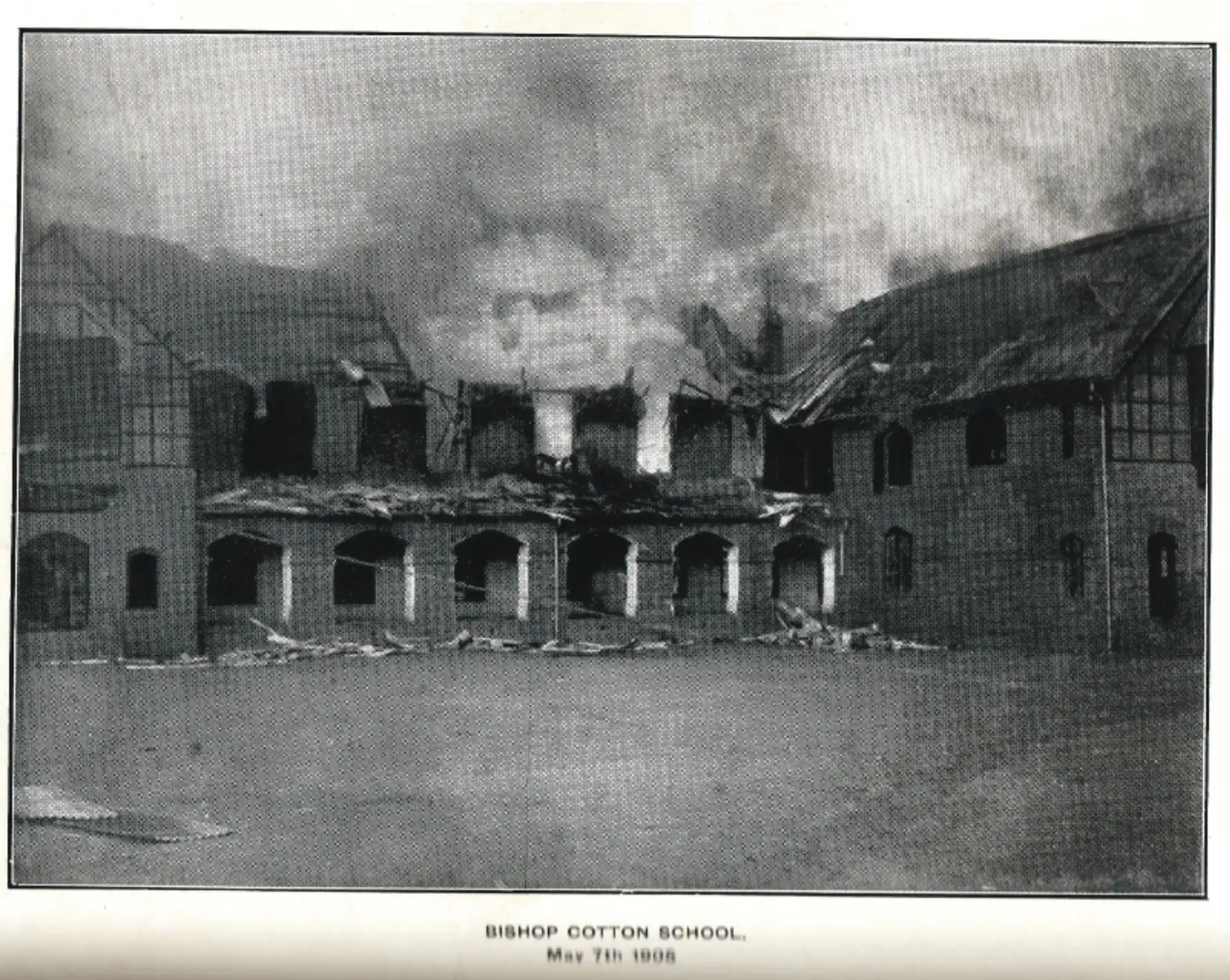
A devastating fire on 7 May 1905 gutted much of the main building while boys were out on an outing. The school community displayed remarkable resilience, continuing in temporary accommodation while the main buildings were rebuilt. The school was reoccupied in July 1907, emerging stronger than ever.
A devastating fire on 7 May 1905 gutted much of the main building while boys were out on an outing. The school community displayed remarkable resilience, continuing in temporary accommodation while the main buildings were rebuilt. The school was reoccupied in July 1907, emerging stronger than ever.
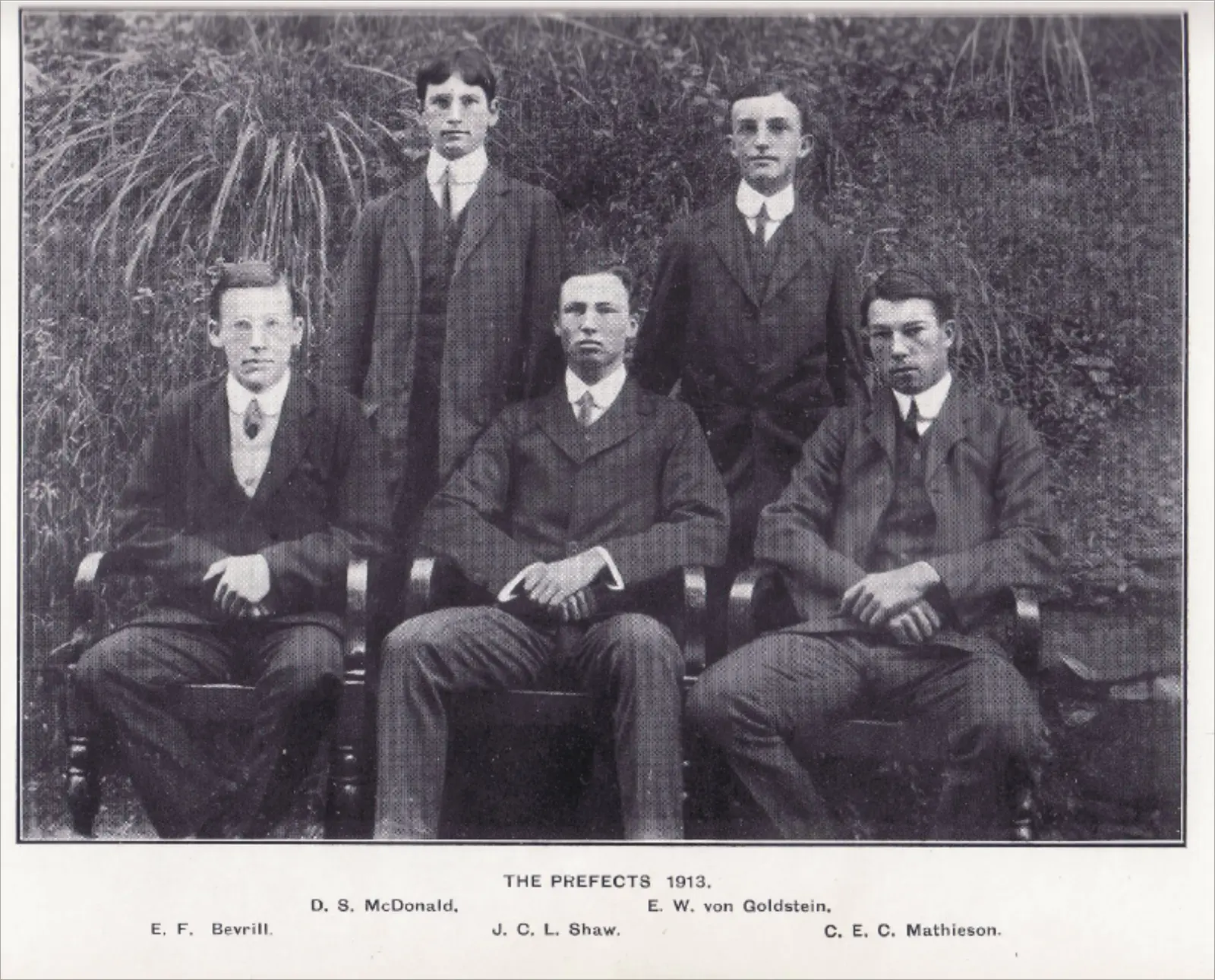
After the 1905 fire, the dormitory system was reorganised and the four houses—Curzon, Lefroy, Rivaz and Ibbetson—were reconstituted and named in recognition of patrons and colonial officials who helped the school recover. The school became an early adopter of the house and prefectorial systems in India.
After the 1905 fire, the dormitory system was reorganised and the four houses—Curzon, Lefroy, Rivaz and Ibbetson—were reconstituted and named in recognition of patrons and colonial officials who helped the school recover. The school became an early adopter of the house and prefectorial systems in India.
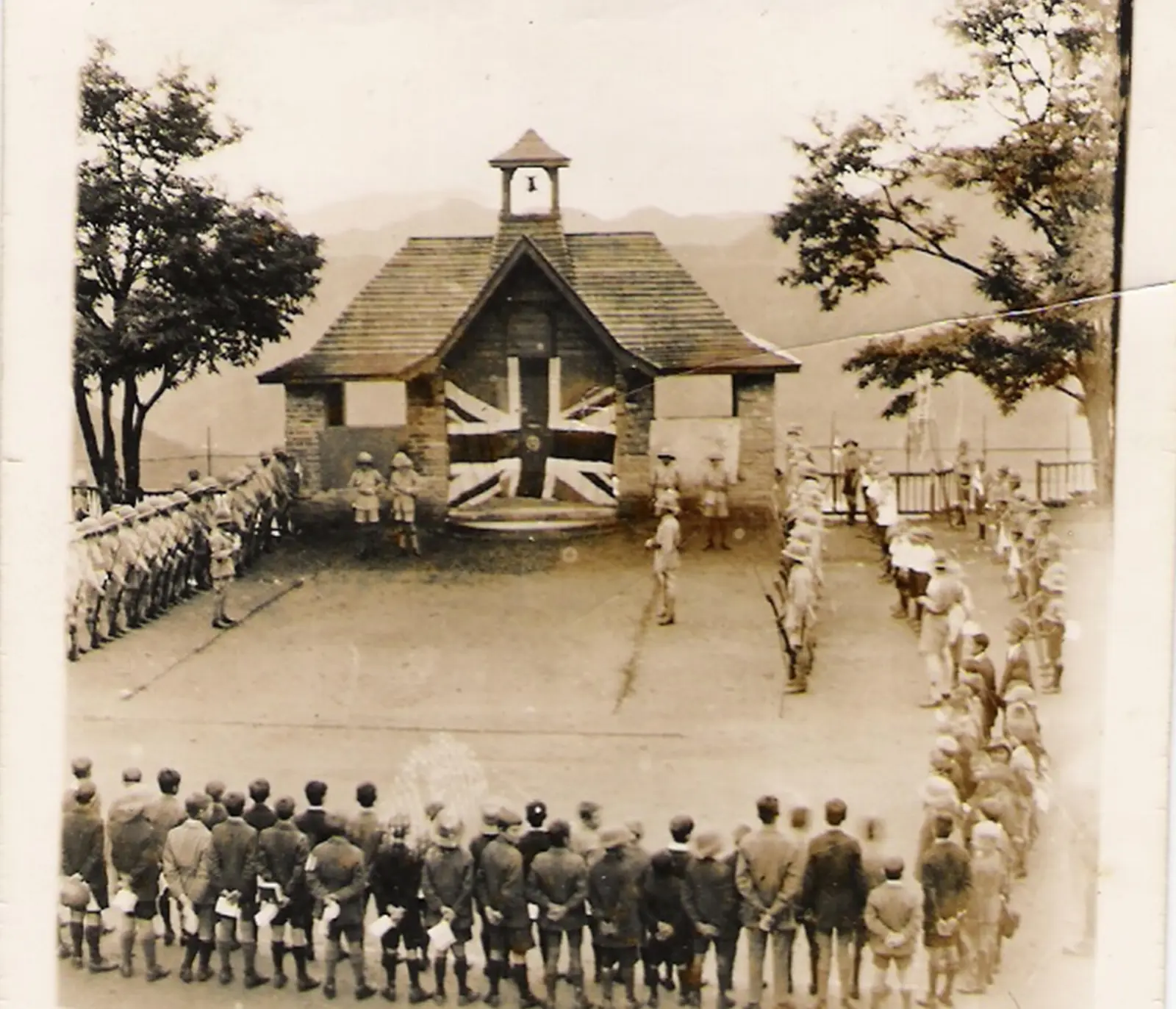
With many staff mobilised during World War I and falling numbers, the school faced an existential debate about its future role. There were discussions of converting it into a preparatory institution for army-officers' children. Through determination and community support, the school persevered and continued its noble mission.
With many staff mobilised during World War I and falling numbers, the school faced an existential debate about its future role. There were discussions of converting it into a preparatory institution for army-officers' children. Through determination and community support, the school persevered and continued its noble mission.
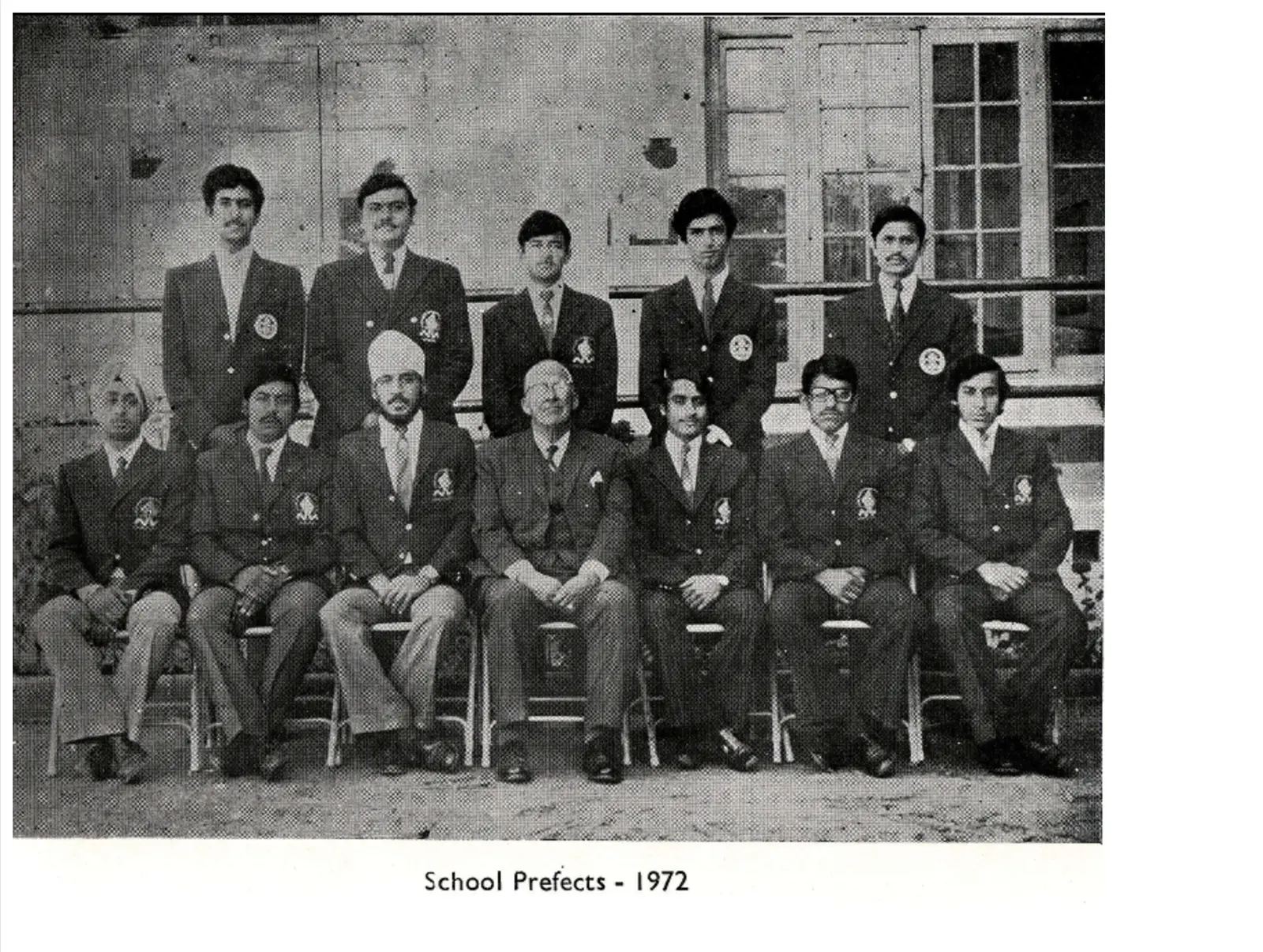
Through the 20th century the school retained its character as a boys' residential public school, producing leaders in the armed forces, judiciary, public life and the arts. Its campus grew to include a War Memorial, museum, chapel, sports facilities and boarding houses, cementing its position as a premier institution.
Through the 20th century the school retained its character as a boys' residential public school, producing leaders in the armed forces, judiciary, public life and the arts. Its campus grew to include a War Memorial, museum, chapel, sports facilities and boarding houses, cementing its position as a premier institution.
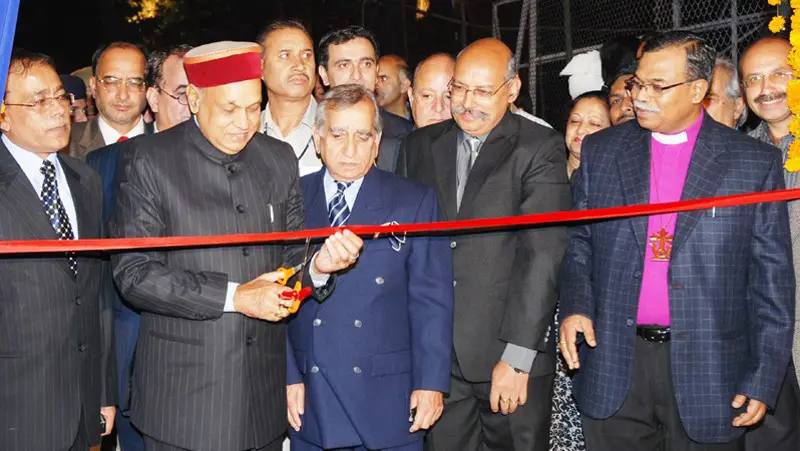
The school marked 150 years since its founding in 2009 with anniversary events involving Old Cottonians (alumni), special services and commemorations of the institution's heritage. The celebrations honored the legacy of all who contributed to making Bishop Cotton School the distinguished institution it is today.
The school marked 150 years since its founding in 2009 with anniversary events involving Old Cottonians (alumni), special services and commemorations of the institution's heritage. The celebrations honored the legacy of all who contributed to making Bishop Cotton School the distinguished institution it is today.
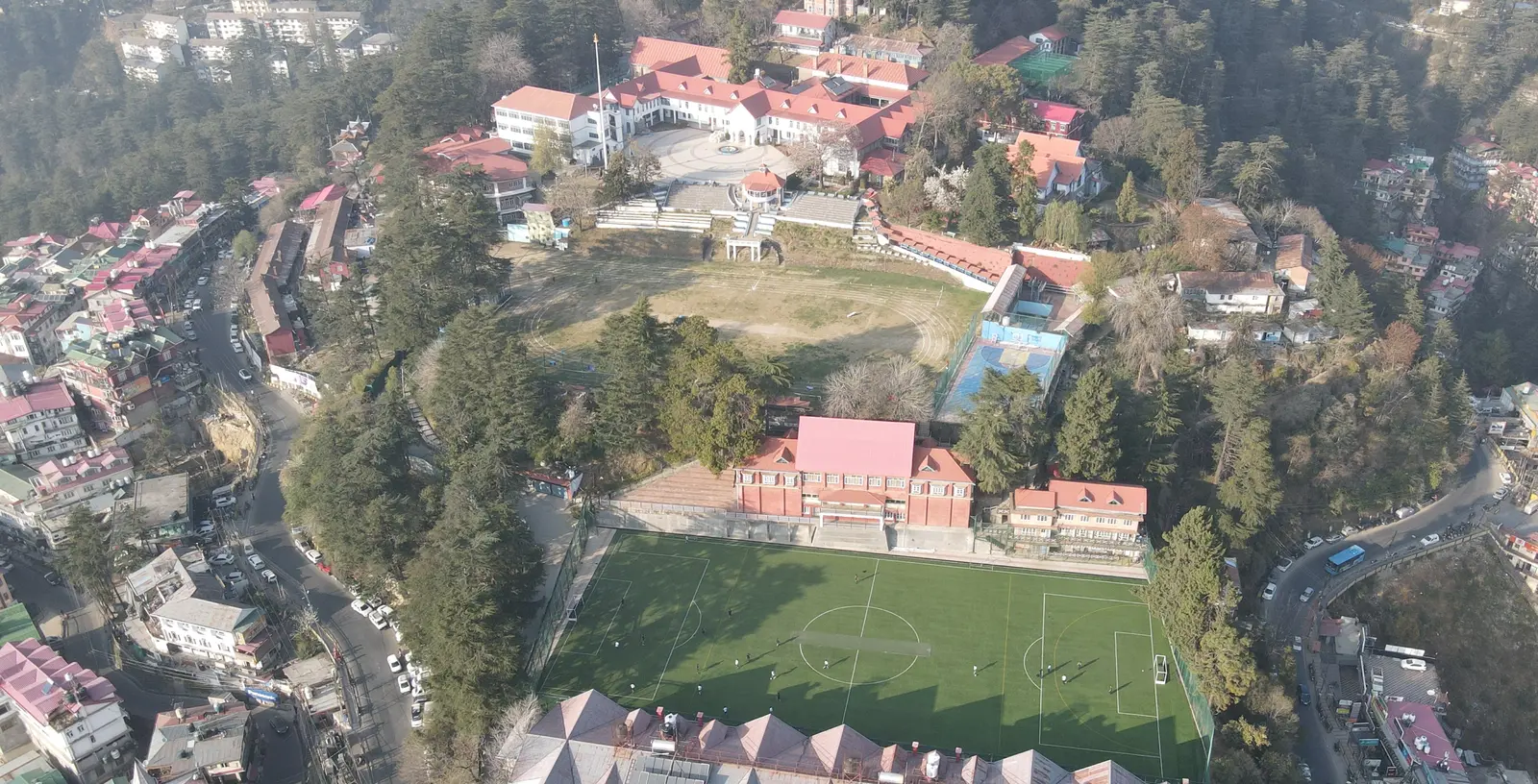
Today Bishop Cotton School is an ICSE/ISC and IGCSE-accredited boys' boarding school, combining its historic traditions—house system, chapel, cadet and sporting traditions—with modern academic programmes and facilities. The school continues to appear in national rankings and engages actively with its Old Cottonians network worldwide.
Today Bishop Cotton School is an ICSE/ISC and IGCSE-accredited boys' boarding school, combining its historic traditions—house system, chapel, cadet and sporting traditions—with modern academic programmes and facilities. The school continues to appear in national rankings and engages actively with its Old Cottonians network worldwide.
Join a tradition of excellence that has been shaping young minds and future leaders for over 167 years.